

Eleven Palestinians, including three journalists, were killed in Israeli attacks across the Gaza Strip on Wednesday, according to the Health Ministry, marking yet another violation of the ceasefire agreement.
To much of the world, this was breaking news. But for Palestinians, it is neither new nor shocking; it is a systemic reality that repeats itself with devastating regularity. In these moments of renewed grief and loss, they are reminded of how briefly hope once felt on the first day of the ceasefire.
Day One: Saleh al-Jafarawi
Just a few months ago, the world watched as a so-called “ceasefire” was first announced. Celebrations erupted from the Levant to the United States, and one can only imagine the scale of emotion felt by Palestinians — whether in Gaza, East Jerusalem, the occupied West Bank, or among those forced into exile over the years.
For many, the voice that led that surge of hope and unfiltered joy was Saleh al-Jafarawi, a twenty-seven-year-old Palestinian journalist, community leader, and trusted voice who had memorized all 600 pages of the Qur’an while dedicating his life to bearing witness.
In the hours following the announcement, he became the eyes and ears of the world. Carried above a crowd of thousands, he narrated the scene as it unfolded — the joy, the enthusiasm, the sudden ease and contentment.
It was a moment that arrived “after two years of torment marked by continuous suffering, genocide, displacement, killing, and massacres that had left the people of Gaza powerless,” as he described, smiling ear to ear from the shoulders of a someone in the crowd.
“Today, the people of Gaza have the right to rejoice and to sleep in peace in their homeland,” Saleh said on October 10, 2025.
For a brief, fleeting moment, the air was filled with laughter and bliss.
Children danced through the streets, parents wept quietly in relief, and Saleh’s voice carried above it all, broadcasting the joy of a people long denied even a single moment of peace. That fragile happiness in the sky, delicate as glass, seemed almost permanent, as if it had come from a world far removed from the suffering that had defined Gaza for years.
But for him — and for the rest of the world watching — that moment of bliss was short-lived. Just two days after savoring what little relief the ceasefire had allowed, Saleh was shot seven times and killed by an Israeli-backed armed gang — a group funded by the occupying power to sow division and rupture among Palestinians, and in this instance, they did just that.
He had spent the previous two years documenting the destruction of his homeland, the rupture of his own family, and the genocidal campaign against his people. After all of that — when the home stretch seemed near, when “peace” appeared within reach — he was taken from this world.
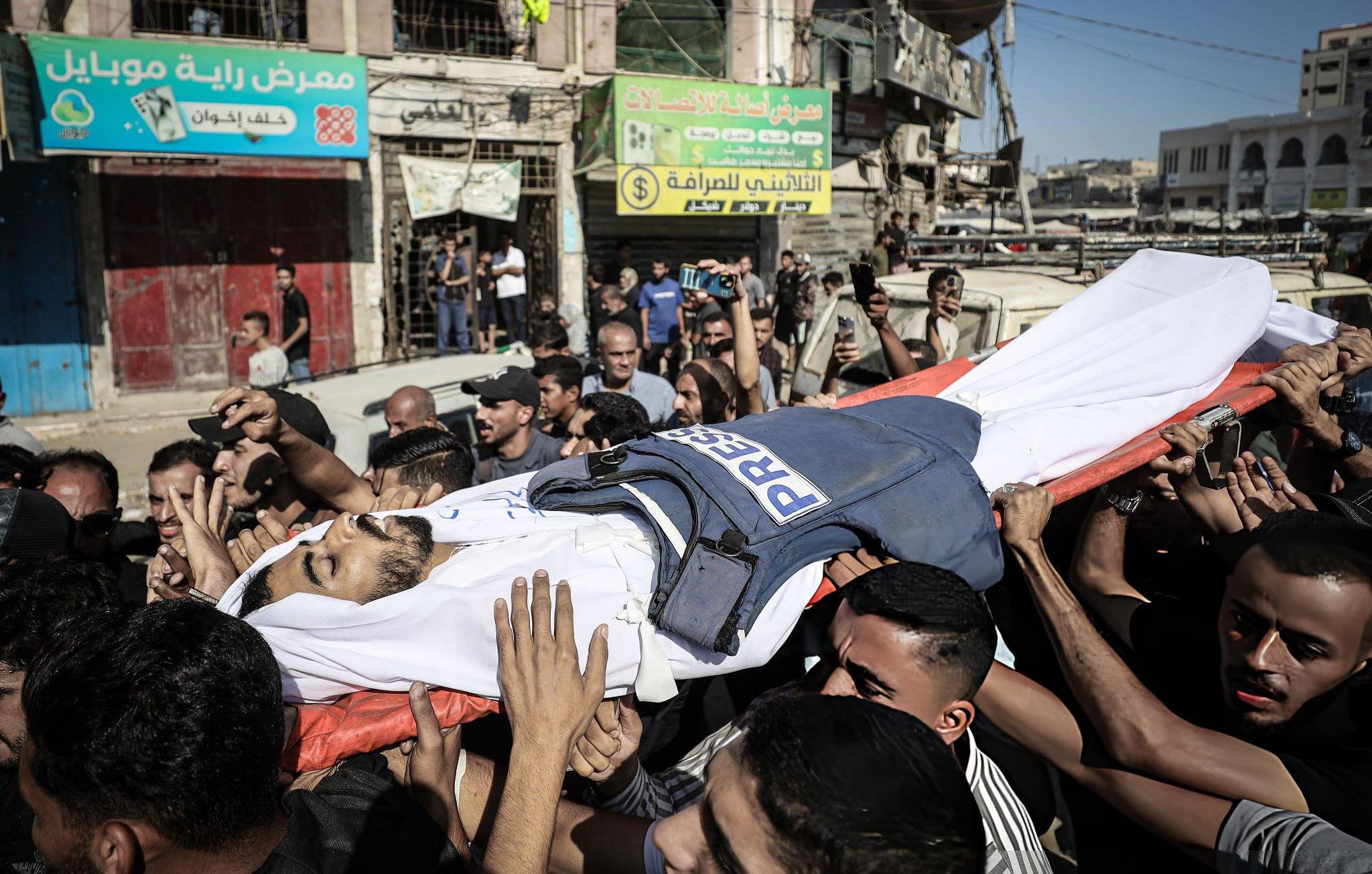
Saleh al-Jafarawi was the first — and tragically, among the most well-known — of many voices extinguished after the ceasefire. In that tragic moment, his story represented more than another life lost; it was a testament to a people whose moments of hope were fragile, and whose struggle for safety, dignity, and peace endured without pause.
Day One Hundred Four: Mohammed, Abdul Raouf, and Anas
Now, three months later, we are reliving that moment — only this time, the face has changed. On the very day that Benjamin Netanyahu accepted Donald Trump’s invitation to join the international “Board of Peace,” Israeli forces killed at least eleven Palestinians, including three boys and three journalists, in separate attacks — the most aggressive since the three-month-old ceasefire.
Just a few days prior, the Trump administration announced the initiation of “phase two” of the ceasefire deal. For Palestinians, still waiting for the first phase to be fully and faithfully implemented, it was a fragile glimmer of hope — a momentary sense that something might change, that some respite could exist in a world where nothing is ever given.
Even in that fleeting moment of hope, danger was ever-present — and once again, the cost of bearing witness was paid in blood.
On their way to film a newly established displacement camp in central Gaza’s Netzarim area, Mohammed Salah Qashta, Abdul Raouf Shaat, and Anas Ghneim — three Palestinian journalists who had spent the last two years documenting the same destruction, displacement, and suffering as Saleh once had — had their lives, their work, and their voices cut short when an airstrike tore through their entire vehicle.
In that instant, another thread of Gaza’s story was severed, and another set of witnesses silenced.
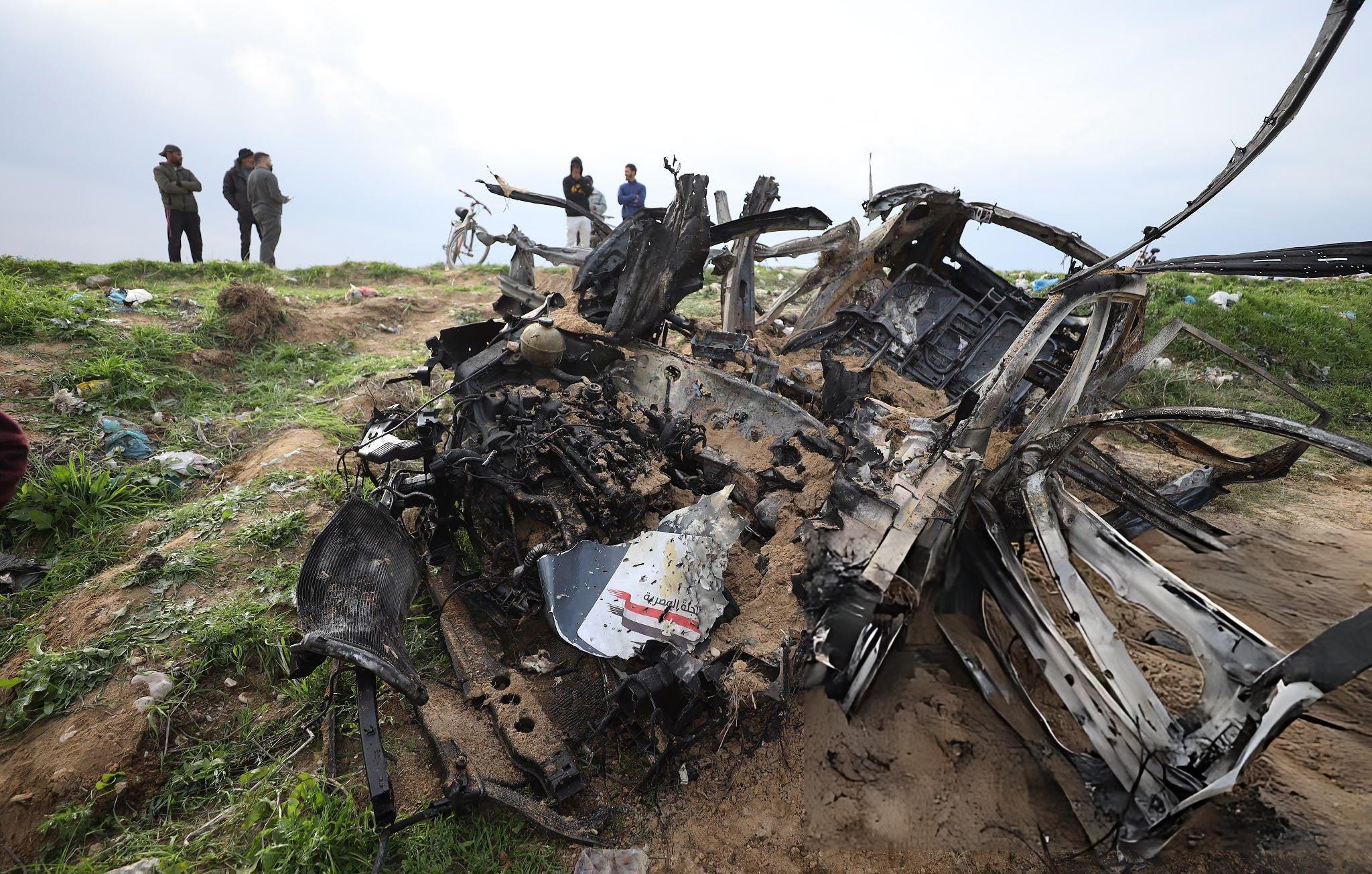
Their cameras, like Saleh’s voice, were meant to carry the truth of life under siege, to illuminate the suffering and resilience of a people denied those glimpses of bliss. But yet, just as hope had been brief for Saleh and the rest of the world watching in those moments a few months ago, it is brief for every Palestinian who dares to bear witness: each act of documentation, each attempt to show the world what is happening, is met with the same merciless reality.
Even as Netanyahu takes a seat in the name of diplomacy, blood is spilled under his authority, and the people of Gaza mourn another set of visionaries — taken, the Palestinian Journalists Syndicate notes, for refusing to be silenced:
“Targeting journalists while performing their professional duties is part of a policy adopted by the Israeli occupation to silence the Palestinian voice, prevent the transmission of truth, and conceal crimes committed against civilians in the Gaza Strip.”
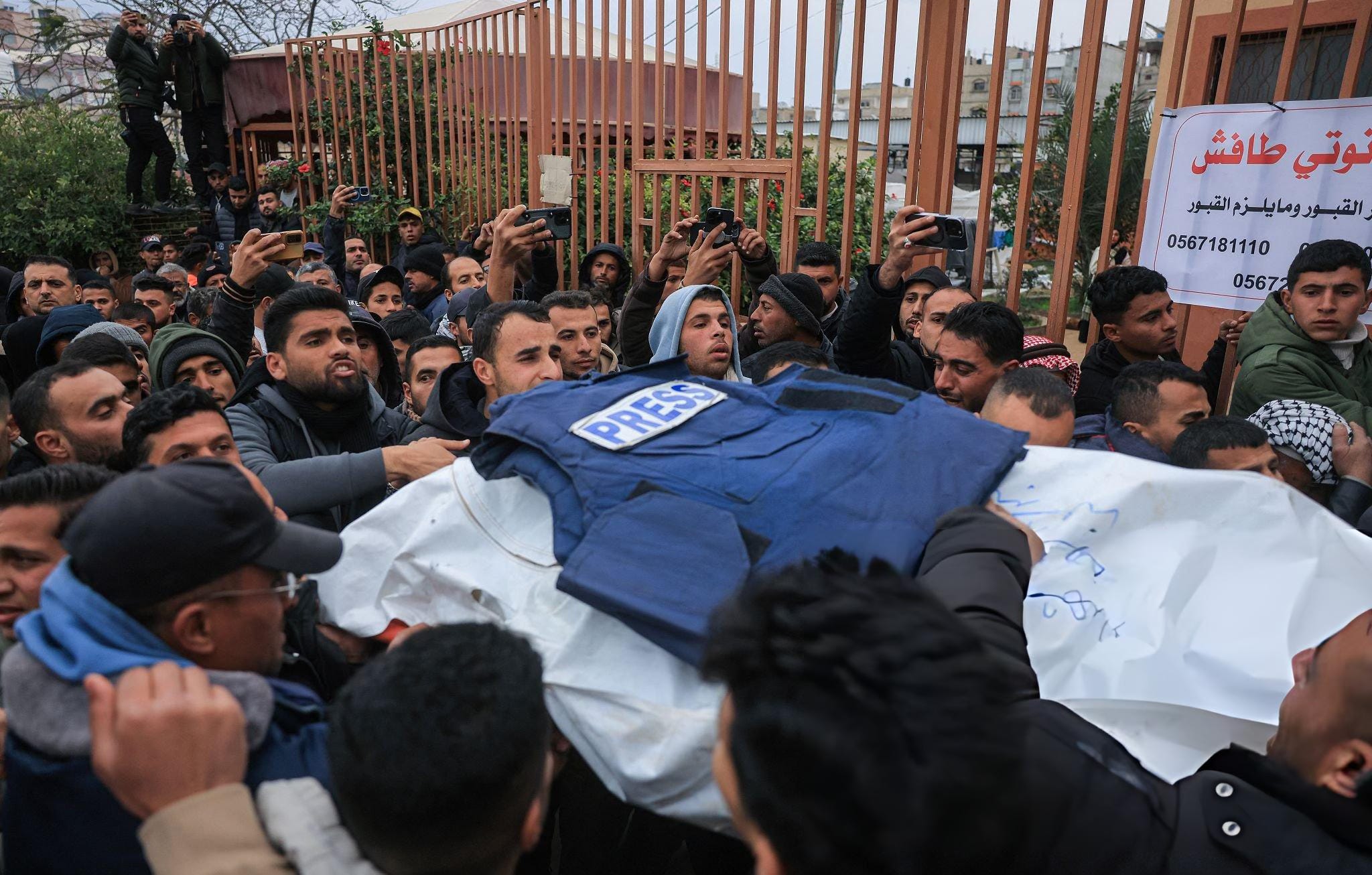
Once again, Palestinians carry the souls they have lost on their shoulders, their grief heavy but their resilience unbroken.
While politicians stage their theater for the world, in Gaza the price of speaking, witnessing, and simply surviving continues to be counted in blood.